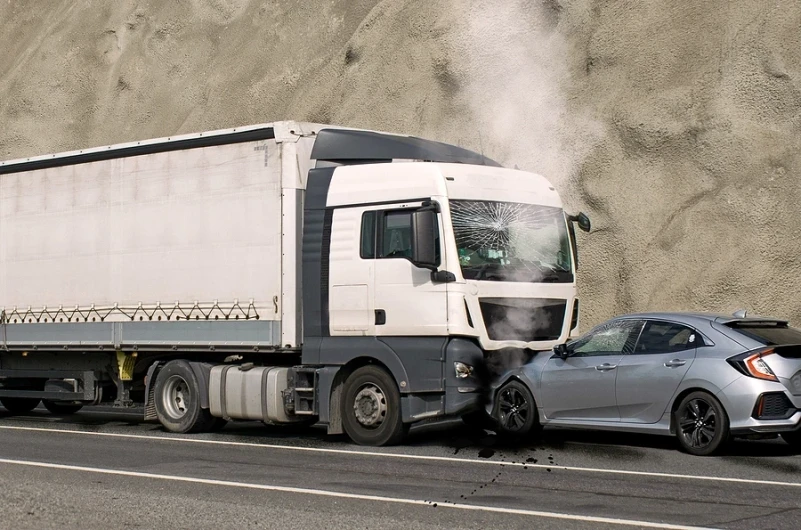
Las Vegas is one of the most heavily trafficked urban environments in the country, drawing tens of millions of visitors each year and supporting a transportation ecosystem that includes rideshare vehicles, taxis, shuttles, delivery trucks, and large commercial freight carriers — all sharing the same roads. Collisions involving rideshare vehicles and commercial trucks on and around the Las Vegas Strip and Downtown corridor present a uniquely complex set of legal challenges. When these two vehicle types collide, questions of liability, insurance coverage, and applicable regulations can be significantly more complicated than in a standard two-vehicle accident.
The Rideshare and Freight Landscape on the Strip and Downtown
High Density, High Risk
The Las Vegas Strip — Las Vegas Boulevard South — and the Downtown corridor on Fremont Street and its surrounding streets see an exceptionally high concentration of rideshare pickups and drop-offs at all hours. Large commercial trucks also operate in these areas, particularly for hotel and casino supply deliveries, construction material transport, and waste removal, often navigating tight loading zones and congested intersections. The combination of heavy pedestrian crossings, frequent lane changes, and unpredictable passenger vehicle movements creates a particularly hazardous environment for mixed vehicle traffic.
When and Where Crashes Most Commonly Occur
Rideshare-versus-truck collisions in the Strip and Downtown area tend to cluster around specific conditions: late-night and early-morning hours when entertainment venues are closing, intersections near major hotel entrances where rideshare drivers frequently make abrupt stops, and areas where truck delivery routes cross high-traffic pedestrian and rideshare zones. The irregular hours of operations in Las Vegas mean that driver fatigue — both for rideshare drivers working long shifts and truck drivers on overnight delivery schedules — is a contributing factor in many of these collisions.
Who May Be Liable in a Rideshare-vs-Truck Collision
The Rideshare Driver and the Rideshare Company
Rideshare drivers in Nevada are required to carry personal auto insurance, and rideshare companies provide additional coverage that applies depending on the driver’s status at the time of the crash — whether the app was off, the driver was waiting for a ride request, or a passenger was in the vehicle. The level of coverage active at the moment of a collision significantly affects what compensation is available to an injured passenger or third party. Nevada has specific regulations governing rideshare insurance requirements that determine how these layers of coverage interact.
The Trucking Company and Its Insurer
Commercial truck operators in Nevada are required to carry substantially higher insurance minimums than standard passenger vehicles, reflecting the greater harm potential of large trucks. If the truck driver was at fault — due to distracted driving, running a red light, making an illegal turn, or violating hours-of-service regulations — the trucking company and its insurer may be the primary liable party. The Federal Motor Carrier Safety Administration sets minimum insurance requirements for interstate commercial carriers, and violations of those standards can affect how liability is assessed.
Shared or Disputed Fault
In many rideshare-versus-truck collisions, fault is not clear-cut. Both the rideshare driver and the truck driver may have contributed to the crash through their respective actions. Nevada follows a modified comparative negligence rule, which means that an injured party can still recover compensation even if they were partially at fault — provided their share of fault does not exceed a certain threshold. Understanding how Nevada’s comparative negligence framework applies to a multi-party rideshare crash requires careful legal analysis of the specific facts.
Unique Challenges for Injured Passengers and Third Parties
Multiple Insurance Policies and Conflicting Claims
When a rideshare passenger is injured in a collision with a commercial truck, they may be dealing with claims against the rideshare company’s policy, the rideshare driver’s personal policy, and the trucking company’s commercial policy — all simultaneously. Each insurer has its own interests in minimizing its payout, and disputes over which policy applies and to what extent are common. Without legal representation, injured passengers often find it difficult to navigate this layered insurance landscape effectively.
Pedestrians and Bystanders in a Densely Populated Area
The Strip and Downtown areas of Las Vegas have high concentrations of pedestrians, including tourists unfamiliar with local traffic patterns. A rideshare-versus-truck collision in these areas can result in injuries not just to the vehicle occupants but to bystanders on the pavement. In these cases, the number of potential claimants increases, and identifying all sources of compensation becomes even more important for anyone involved.
Getting the Right Help After a Strip or Downtown Collision
Rideshare-versus-truck collisions in the Las Vegas Strip and Downtown corridor involve a combination of commercial trucking law, rideshare insurance regulations, and Nevada personal injury principles that make them among the more complex vehicle accident cases to navigate. Identifying all liable parties, understanding which insurance policies apply, and preserving the right evidence — including dashcam footage, GPS data, and electronic logging records — requires prompt and knowledgeable legal action. Truck Accident Law Firm Nevada is a trusted truck accident law firm serving Las Vegas, experienced in the specific complexities of commercial vehicle collisions in high-density urban environments. If you have been injured in a rideshare-versus-truck collision on or near the Strip, consulting an attorney as soon as possible may significantly affect what compensation is available to you.